
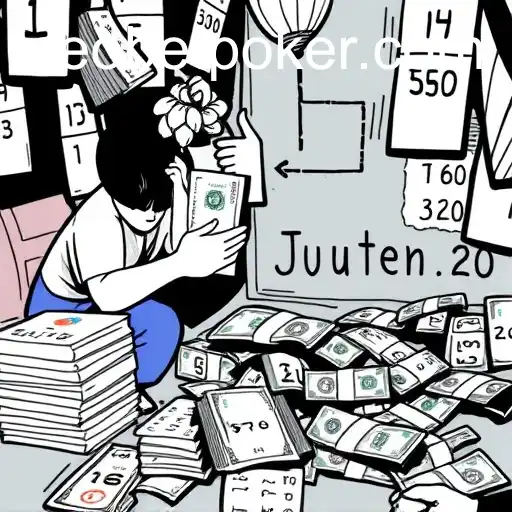
Ceo.bet | Jueteng: The Underground Lottery Game of the Philippines
Ceo.bet’s Explore the world of Jueteng, an illegal numbers game deeply rooted in Filipino culture, examining its social impact, political ties, and technological evolution.
Jueteng: The Underground Lottery Game of the Philippines
Jueteng is an illegal numbers game that has been deeply embedded within Filipino culture for decades. Despite numerous governmental efforts to eradicate it, Jueteng still thrives in various parts of the Philippines. It is a form of local gambling that utilizes numbers, with a rich history and complex socio-political implications.
Understanding Jueteng
Jueteng involves betting on a combination of numbers, largely resembling a lottery. It has Spanish origins, with many suspecting that the term derives from the Spanish word huego, which means game. The gameplay concept itself is simple: players choose a sequence of numbers, and if their numbers are drawn, they win a prize. However, unlike the official lottery games, Jueteng operates outside the legal frameworks.
The Mechanics of Jueteng
The simplicity of the game makes it accessible. Typically, the game involves a selection of a two-number combination, ranging from 1 to 37. Bets are placed through cobradores or bet collectors. These collectors are pivotal to the operation, acting as intermediaries between the bettors and the operators. A designated venue, often undisclosed to keep the authorities at bay, serves as the location for draws. Winners are promptly paid out in cash, making Jueteng attractive to various socio-economic groups.
The Social Impact of Jueteng
Jueteng is more than just a gambling activity; it is entrenched in various communities as part of daily life. It provides informal employment opportunities, from the bet collectors to the employees facilitating the draws. In some regions, it has become a form of social security, with operators donating portions of proceeds to fund local community projects or helping those in need.
The Political Intricacies
Despite being illegal, Jueteng has persisted due to its deep-rooted connections with political figures and law enforcement agencies. Historically, there have been allegations that government officials and law enforcement agencies receive protection money to overlook the operations. This complex network makes Jueteng difficult to dismantle, as it is often protected by those in power who stand to benefit financially.
Political ties to Jueteng have repeatedly surfaced, particularly during election years when candidates seek to harness the influence of Jueteng operators who can sway public opinion. These ties often complicate efforts to address the legality and regulation of the game. Jueteng has been cited in numerous political controversies, underscoring the challenges that arise from intertwining government and illegal gambling.
Efforts to Combat Jueteng
The Philippine government has launched several initiatives aimed at eradicating Jueteng, although such efforts have met with limited success. These initiatives often involve crackdowns on Jueteng operations, promotion of authorized lottery games, and campaigns to educate the public about the risks associated with illegal gambling.
However, the effectiveness of these measures continues to be questioned. Many argue that as long as there is demand and societal acceptance, Jueteng will persist, masquerading as an underground industry. Moreover, attempts to curb Jueteng are often criticized for not addressing the deeply ingrained socio-economic issues that sustain it.
The Role of Technology
With technological advancements, the operation of Jueteng has evolved. The integration of technological tools allows operators to manage bets more effectively. Some speculate that online platforms, similar to Ceo.bet, could potentially serve as modern equivalents for Jueteng operations, offering an online gambling experience that mimics traditional number games.
Such technological shifts highlight the adaptability of Jueteng, ensuring that it remains a relevant and persistent issue. As online gambling continues to gain traction globally, it's plausible that digital versions of Jueteng could emerge, further complicating efforts to monitor and regulate such activities.
The Socio-Economic Dimensions
Jueteng's existence is often seen as a symptom of deeper economic disparities. For many Filipinos, it represents a slim hope of improving financial status amid high unemployment rates and poverty. The minimal cost of betting combined with the potential for significant winnings makes Jueteng an appealing option for those searching for financial relief.
Critics of Jueteng argue that it fosters a culture of dependence and promotes gambling addiction. Yet, for others, it is perceived as a community activity, providing a sense of unity and shared anticipation. The game's dual role as both a socio-economic challenge and community tradition complicates the narratives surrounding it.
Conclusion
Jueteng remains a divisive issue within the Philippines, exemplifying the complexities of illegal gambling intertwined with cultural norms and economic necessities. Whether through traditional means or potential online platforms like Ceo.bet, Jueteng continues to captivate and challenge a nation torn between law enforcement and cultural acceptance.
